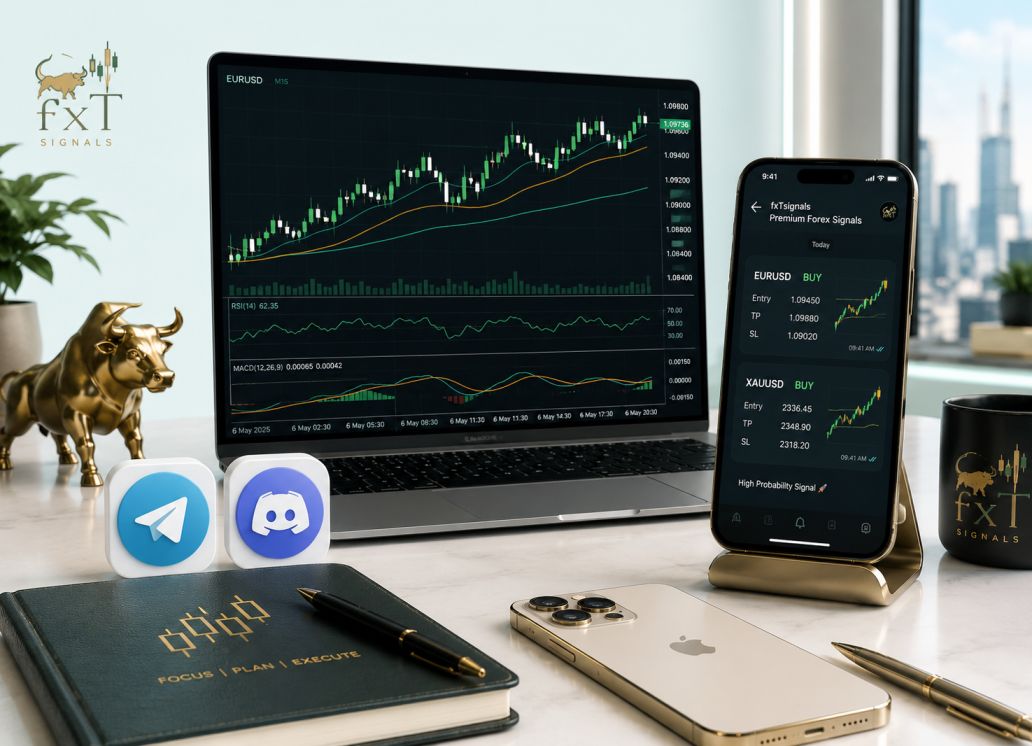
Every seasoned forex trader knows one universal truth: information is your most powerful asset. But here's the thing — not all information is created equal. The forex market moves fast, and the quality of the signals you follow can be the difference between consistent profits and frustrating losses.
Forex signals, also known as trading alerts or trade signals, point you toward potential trading opportunities. They tell you when to buy or sell a currency pair, at what price, and where to set your stop loss and take profit. Sounds simple enough. But the real challenge? Knowing which signals to trust — and which to ignore.
In this guide, we break down every essential factor you need to evaluate before subscribing to or following any forex signal service. Whether you're just starting out or refining your strategy, this is the roadmap that will sharpen your decisions and protect your capital.
1. Start With Your Own Trading Strategy
Before you even look at a single signal provider, spend a few minutes getting honest with yourself about how you trade. What kind of trader are you? This question matters more than most people realize.
Before jumping into the world of forex signals, you need a crystal-clear picture of your own trading strategy. Without that foundation, even the best signals will feel confusing or misaligned.
If you're a swing trader who holds positions for days at a time, you'll want signals built around broader trend shifts and macro-level analysis. If you're a scalper who opens and closes trades in minutes, you need ultra-fast, precise alerts that won't lose their edge by the time you act on them.
Technical Analysis Signals
Technical signals are generated from historical price action. They rely on tools like moving averages, RSI, MACD, Bollinger Bands, and candlestick patterns. If you love charts and patterns, these signals speak your language. They're especially effective in trending markets where price moves with momentum and structure.
Fundamental Analysis Signals
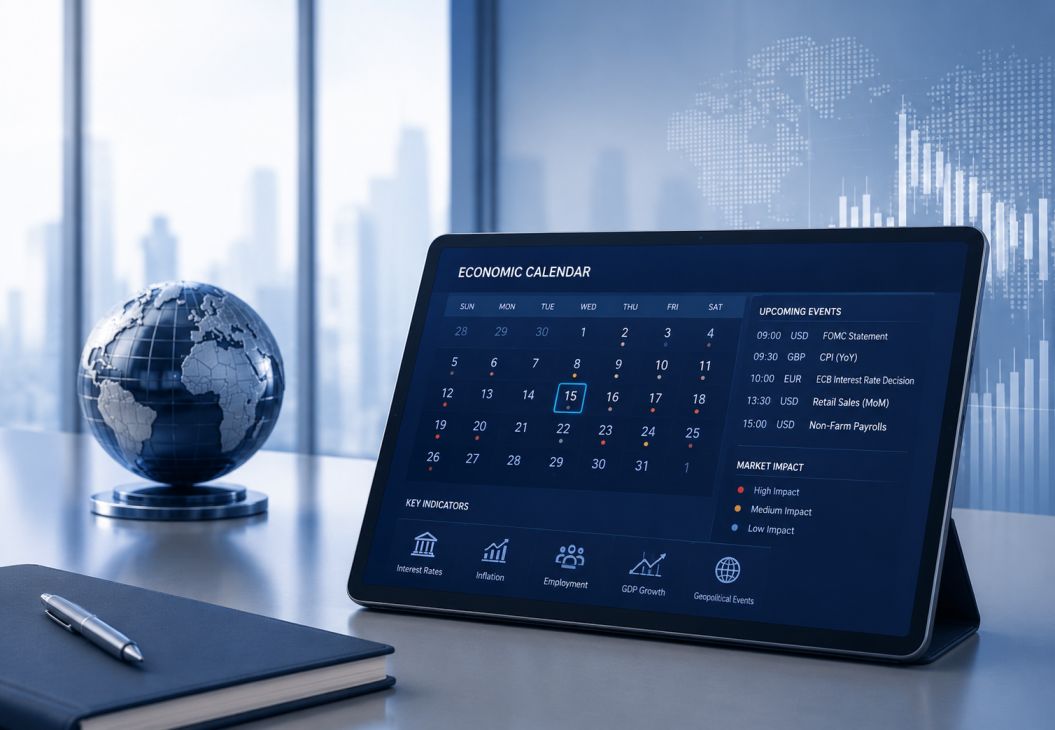
Fundamental signals are grounded in economic data — central bank decisions, employment figures, inflation reports, and geopolitical events. These signals are ideal for traders who want to understand the "why" behind price movement, not just the "what." A strong NFP report, for example, can move USD pairs significantly, and a well-timed fundamental signal can capture that entire move.
The best traders don't pick one side. They blend both. But knowing which you lean toward helps you filter signal providers that match your mindset and decision-making style.
2. Evaluate Signal Accuracy — Don't Just Take Their Word for It
Accuracy is everything. A signal that's right 60% of the time with solid risk management will outperform one that's right 80% of the time but with poor risk control. So when you're evaluating a provider, dig deeper than their marketing claims.
Ask every signal provider for their verified trading history — not screenshots, but third-party verified statements. Platforms like Myfxbook or FX Blue provide authenticated performance data that can't be manipulated.
Track Record Over Time
Anyone can have a good week. What you want to see is consistent performance across different market conditions — trending markets, choppy ranges, high-volatility news events. A provider with 12–24 months of audited results is far more trustworthy than one showing just the last few months.
Transparency of Methodology
A credible signal provider shouldn't hide how they generate their signals. Look for clear explanations of their approach — whether it's algorithmic, analyst-driven, or a combination. If they're vague or secretive about their method, that's a major red flag.
User Reviews and Real Feedback
Search for genuine community feedback. Visit forums like Forex Factory or Reddit's r/Forex. Look for patterns in what real users say — not just the polished testimonials on the provider's own site. Consistent complaints about delayed signals, inaccurate entries, or poor communication are warning signs you shouldn't ignore.
Responsive Customer Support
The forex market doesn't take weekends off, and neither should your signal provider's support team. Before committing to any service, test their responsiveness. Email them a question. Message their support chat. How quickly and helpfully they respond will tell you everything about how they operate as a business.
3. Risk Management Is Non-Negotiable

Here's a truth that gets overlooked too often: making money in forex isn't just about winning trades. It's about protecting yourself when trades go wrong. And they will go wrong. Every signal provider, no matter how skilled, will have losing trades. The question is — how do they handle them?
A good signal service doesn't just tell you where to enter. It tells you exactly where to get out — both in profit and in loss. Any signal without a clear stop loss and take profit level is incomplete. Avoid them.
What Good Risk Management Looks Like
- Clear Stop Loss levels with every signal — so you always know your maximum downside before entering a trade
- Defined Take Profit targets that give you a clear exit when the trade goes in your favor
- Favorable Risk-Reward Ratios — the best signals aim for at least 1:2, meaning you risk $1 to potentially make $2
- Position sizing guidelines so you never over-expose your account on a single trade
- Diversification advice — avoid providers that pile all trades into one currency pair or one strategy
Think of it this way: a signal with a 1:3 risk-reward ratio means you only need to win one in three trades to break even. That's a very forgiving strategy — and exactly what you want when navigating uncertain markets.
4. Real-Time Delivery — Timing Is Everything

A perfect signal delivered 30 minutes late is a useless signal. In the forex market, price can move dozens of pips in minutes. This is why real-time delivery isn't a luxury — it's a requirement.
When evaluating signal providers, check how they send their alerts. The best services offer multiple delivery channels:
- Push notifications via mobile app — fastest and most reliable for on-the-go traders
- Telegram channel alerts — widely used, fast, and accessible from any device
- Email alerts — useful as a backup, but not ideal for fast-moving setups
- Direct MT4/MT5 integration — signals fed straight into your trading platform for the lowest possible latency
- SMS alerts — a reliable fallback when you don't have internet access
Beyond speed, consider timing consistency. Does the provider deliver signals at irregular hours that don't suit your schedule? If you're trading the London or New York session, make sure your signal service operates and communicates during those windows.
5. Practical Tips to Test a Signal Provider Before Committing
- Start with a free trial or demo period to track signals without risking real capital
- Paper trade the signals for 2–4 weeks to evaluate real-world accuracy and timing
- Cross-reference signals with your own analysis to build confidence before execution
- Track a minimum of 20–30 signals before drawing any conclusions about a provider's quality
- Check how they handled a recent high-volatility event — major news days reveal a lot about signal quality
Patience pays off here. The traders who test first and trust later are the ones who build sustainable, profitable signal strategies. Jumping in without due diligence is the fastest way to burn through capital.
Frequently Asked Questions
Forex signals are trade recommendations generated by either a human analyst or an automated algorithm. They specify a currency pair to trade, whether to buy or sell, entry price, stop loss, and take profit levels. When delivered in real time, they give traders actionable intelligence to open positions with defined risk parameters — without needing to do all the analysis themselves.
Some free signals are legitimate — often offered as a trial by reputable providers. However, many free signal services lack the transparency, track record, and risk management discipline of premium providers. Always verify the accuracy and methodology behind any free signal service before trading live money on their recommendations.
Quality over quantity is the golden rule. Following 2–5 high-quality signals per day is far more profitable than chasing 20 low-confidence ones. Overtrading is one of the top reasons retail forex traders lose money. A disciplined signal strategy focuses on setups with strong confluence — where technical and fundamental factors align — rather than maximizing the number of trades.
Yes, most forex signals are broker-agnostic. As long as your broker offers the currency pairs being signaled and you can execute trades manually or via automated copy-trading tools, you can act on any signal. However, consider your broker's execution speed, spread, and slippage — especially for scalping signals where precise entry prices matter most.
Look for third-party verified performance data from platforms like Myfxbook, FX Blue, or DupliTrade. These services connect directly to live trading accounts and display independently audited results — including win rate, drawdown, risk-reward ratio, and account growth. Screenshots and self-reported stats can be manipulated; verified third-party data cannot. Always ask for this before subscribing to any signal service.
Final Thoughts: Signals Are a Tool, Not a Shortcut
Profitable forex signals can dramatically enhance your trading when chosen wisely. They give you an analytical edge, save you hours of market research, and keep you connected to opportunities you might otherwise miss. But they are not a magic solution.
The traders who succeed with signals are those who treat them as one powerful input in a broader, disciplined strategy. They still understand the market. They still manage risk carefully. And they still take responsibility for every trade they enter.
Do your homework. Test before you trust. And always, always prioritize risk management above everything else. With the right signals behind you — delivered fast, backed by data, and aligned with your strategy — you're not just trading. You're trading with a real edge.
Start Receiving Premium Forex Signals Today
Join thousands of traders who trust fxTsignals.com for accurate, real-time signals with clear risk management — delivered straight to your device.