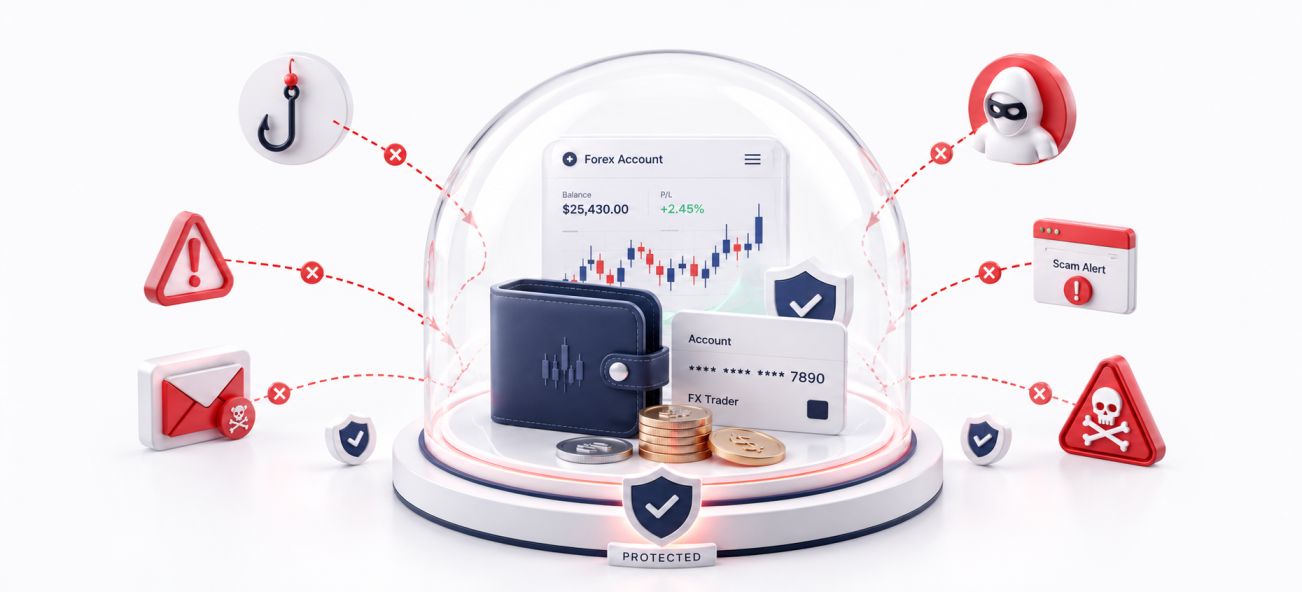
Forex trading, when done right, is one of the most dynamic financial opportunities available to retail traders worldwide. But where there is real potential for profit, there will always be bad actors ready to exploit inexperience and enthusiasm. Forex account management scams are a particularly dangerous form of investment fraud — and they have grown more sophisticated with every passing year.
Whether you are a beginner just setting up your first trading account or a seasoned trader exploring passive investment options, understanding the mechanics of these scams is not optional. It is essential. This guide breaks down everything clearly — the red flags, the real risks, the practical steps you can take — so you can protect yourself and your capital with confidence.
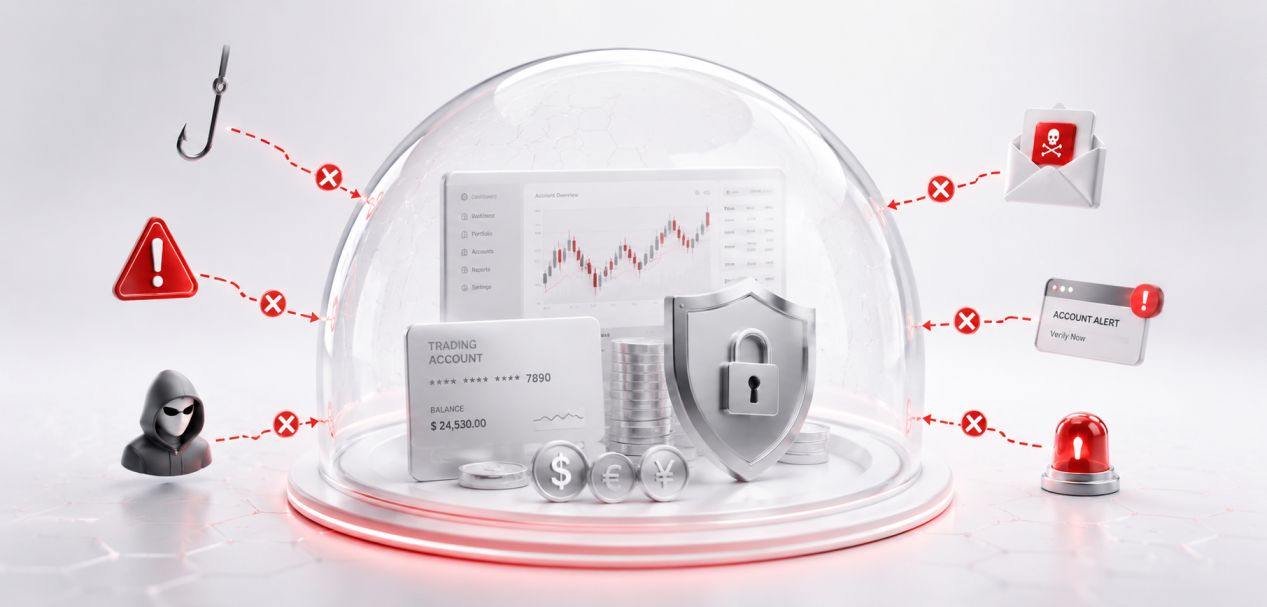
What Exactly Are Forex Account Management Scams?
At their core, forex account management scams involve individuals or companies who falsely present themselves as experienced traders or professional investment advisors. They claim they can trade your forex account on your behalf and deliver consistent, high returns. In reality, their goal is simple: take your money and disappear.
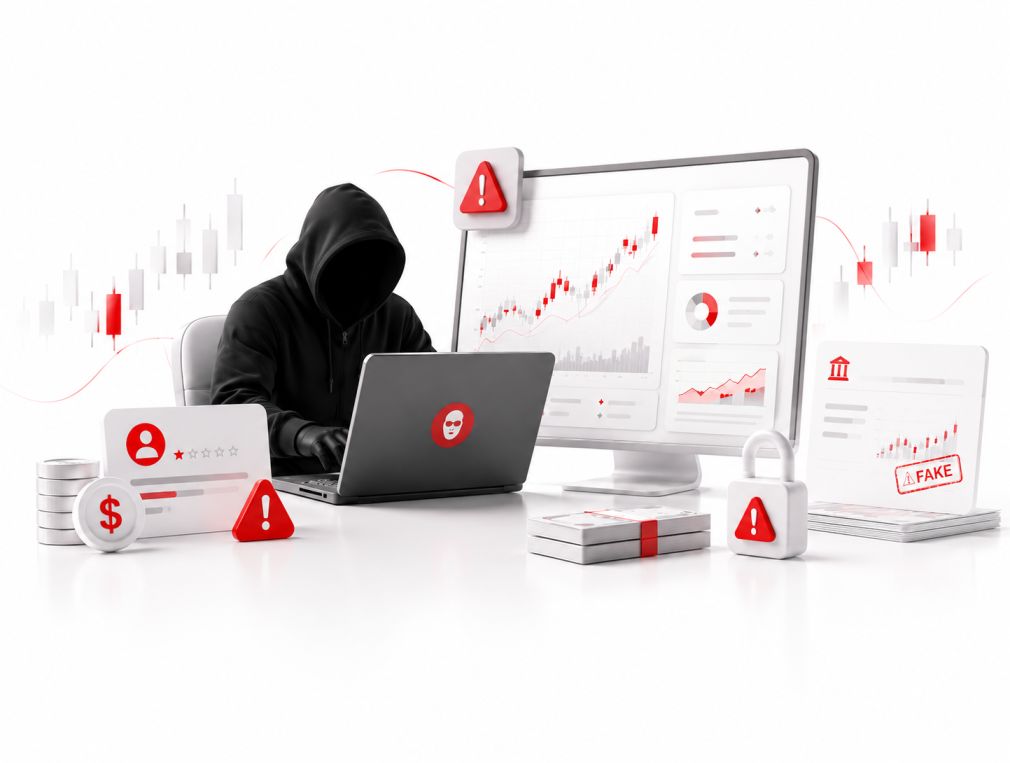
These scammers typically target inexperienced investors who lack the technical knowledge to trade independently or simply do not have the time to monitor markets themselves. The pitch sounds irresistible: hand over control of your account, and a professional will grow your money while you sleep. But the promised returns are almost always wildly inflated, and the "managers" either misappropriate your funds, engage in reckless trading, or simply vanish with your deposit.
What makes these scams particularly dangerous is how convincing they appear. Fraudsters create professional-looking websites, fabricate trading track records, and even show fake account statements to earn your trust. The anonymity of the internet has lowered the barrier for scammers to operate globally, reaching victims across every continent. And weak regulatory oversight in some jurisdictions means these criminals rarely face consequences.
Red Flags You Should Never Ignore
Learning to identify warning signs early is your most powerful protection. Here are the four major red flags that should immediately put you on high alert — regardless of how professional the person or company appears.
Any manager promising guaranteed or extraordinarily high returns with "minimal risk" is lying. Forex inherently involves substantial risk. Legitimate professionals never promise fixed outcomes.
If they cannot clearly explain their trading strategies, fee structure, or provide regular account reports, walk away. Real professionals welcome scrutiny — scammers avoid it.
Reputable account managers do not cold-call strangers. If you are contacted out of the blue with a "great opportunity," treat it as a serious warning sign and proceed with extreme caution.
"This offer expires tonight" or "Limited spots available" — these classic pressure tactics are designed to prevent you from thinking clearly or doing due diligence. A real professional gives you time.
"Legitimate account managers invite your questions and welcome due diligence. The moment someone rushes you toward a decision, your instinct should be to slow down — not speed up."
Understanding the Real Risks and Dangers
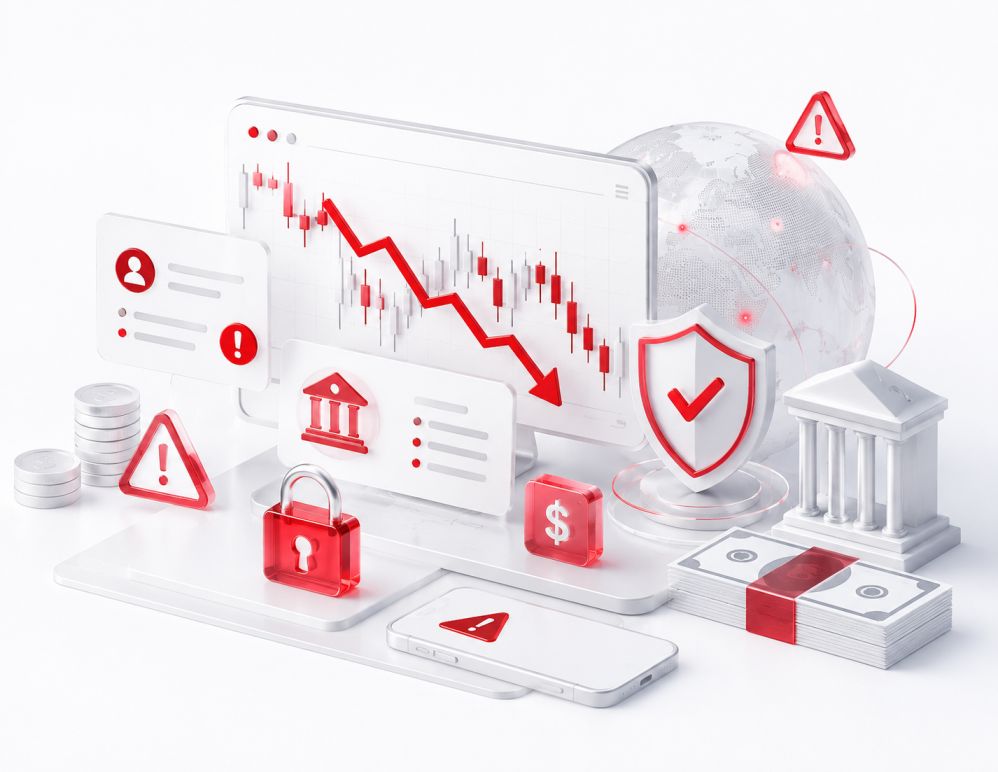
Beyond the obvious risk of losing money, forex account management scams carry several layers of danger that many investors do not anticipate until it is too late.
Financial Losses and Fund Mismanagement
The most immediate consequence is financial devastation. Scammers make empty promises about substantial profits, but they either mismanage your funds through reckless trades or simply appropriate them for personal use. These losses can be catastrophic — savings built over years can disappear within days. For many victims, the financial setback is lifelong.
Identity Theft and Unauthorized Data Access
When you hand over account control to a fraudulent manager, you are also providing sensitive personal and financial information. Scammers can exploit this data for identity theft, open fraudulent credit accounts in your name, or sell your information to other criminals. This risk extends well beyond the trading world and can affect your broader financial life for years.
Legal Complexity and Regulatory Gaps
Scammers deliberately operate outside regulated frameworks. They are not licensed investment advisors, and they are not registered with any legitimate financial authority. This means that when fraud occurs, your legal options for recovering funds are extremely limited. Pursuing international scammers through the courts is expensive, time-consuming, and often futile — which is exactly why prevention matters so much.
Practical Tips to Protect Yourself from Forex Account Management Scams
The good news is that protecting yourself is entirely achievable. By following these proven steps, you can dramatically reduce your risk of becoming a victim.
Investigate every account manager's background, trading history, and reputation before committing any capital. Look for independent reviews and request verifiable references from past clients. A trustworthy manager will gladly provide evidence of their track record.
Always confirm whether the account manager is registered with recognized regulatory bodies such as the SEC, FCA, ASIC, or your local financial authority. Verification takes minutes and provides a critical layer of protection. If they are not regulated, do not proceed.
Any legitimate manager should be able to clearly explain their approach to trading and risk management without using vague or evasive language. Ask specific questions about drawdown limits, position sizing, and how they handle losing streaks. Vagueness is a warning sign.
Stick to trusted and regulated trading platforms that vet the managers they host. These platforms typically have compliance mechanisms that add a critical layer of transparency and accountability to the process, protecting both your funds and your data.
Your Pre-Investment Safety Checklist
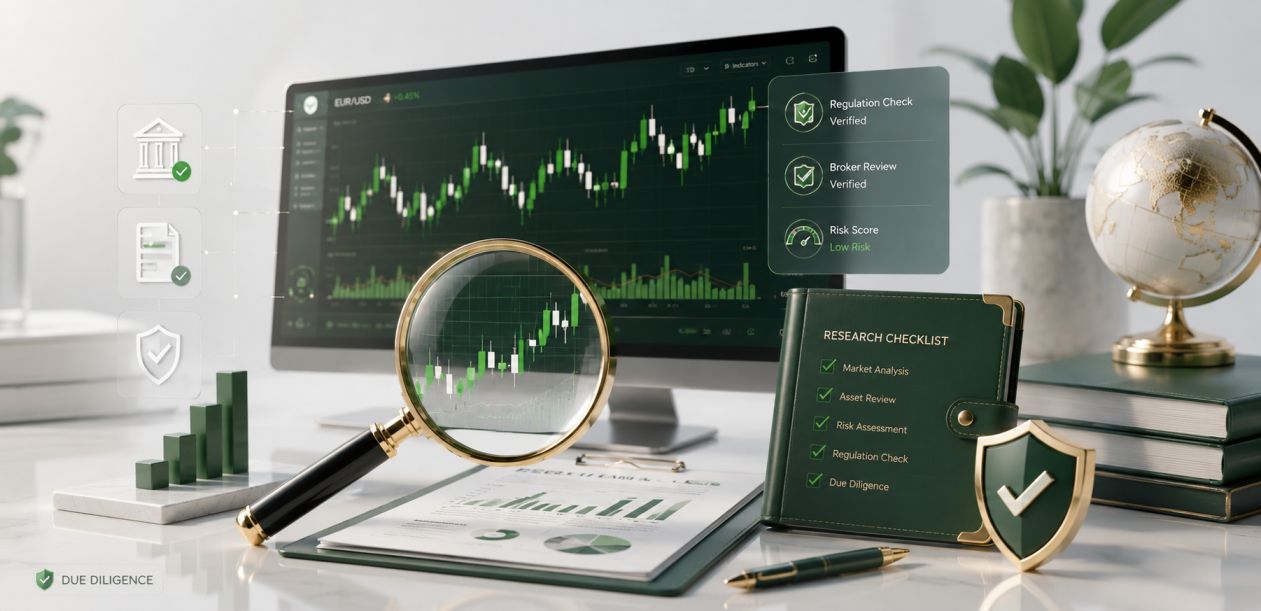
Before handing any control over your trading account, run through these key verification steps:
- Verify the manager is registered with a recognized financial regulator (FCA, SEC, ASIC, etc.)
- Request audited trading statements — not screenshots — from the past 12 months
- Search for independent reviews on trusted financial forums and regulatory databases
- Confirm all fees, profit-sharing arrangements, and withdrawal terms in writing
- Check whether you retain withdrawal rights at any time without penalty
- Never invest money you cannot afford to lose — even with a genuine professional manager
What to Do If You Suspect or Encounter a Scam
If you believe you have been targeted — or worse, have already fallen victim — taking swift and decisive action can make a meaningful difference. Do not let embarrassment or the hope of recovering funds on your own prevent you from acting quickly.
Step-by-Step Response Plan
- Contact Regulatory Authorities: Report the scam immediately to the relevant financial regulator in your jurisdiction — SEC, FCA, CFTC, or your local equivalent. Provide all documentation including communications, transaction records, and any identifying information about the scammer.
- Notify Your Financial Institution: If you shared banking details or made any transfers, contact your bank immediately. They can take measures to protect your accounts, flag suspicious activity, and potentially assist in fund recovery or investigation.
- Preserve All Evidence: Save every email, message, screenshot, and transaction record. Evidence preservation is critical for any regulatory investigation or legal action that follows.
- Consult a Financial Fraud Attorney: Seek legal counsel from a lawyer who specializes in financial fraud. They can assess your recovery options, guide you through the claims process, and advise on preventive measures for the future.
- Warn Others: Report the scam on trusted forex forums and community platforms. Your experience could save another trader from the same fate, and community awareness is one of the most effective tools against fraud.
The Bottom Line on Regulated vs. Unregulated Managers
The single most important factor in choosing an account manager is regulation. A regulated manager operates within a defined legal framework, is subject to audits and oversight, and carries professional liability. An unregulated manager carries no such accountability — and when things go wrong, you have almost no recourse.
At fxTsignals.com, we only recommend working with fully licensed and regulated professionals. No matter how persuasive a pitch sounds, always verify regulation status independently — do not rely on information provided by the manager themselves.
Frequently Asked Questions
We hear these questions from traders at every level. Here are clear, practical answers.
No — and any manager who claims they can is either lying or dangerously misinformed. The forex market is inherently volatile and unpredictable. Legitimate professionals can demonstrate strong historical performance and describe disciplined risk management strategies, but they will never guarantee specific returns. A promise of guaranteed profits is one of the clearest scam warning signs that exists.
Visit the official website of the relevant regulatory authority in their jurisdiction — for example, the FCA register in the UK, ASIC's register in Australia, or the NFA's database in the US. Search for the manager or firm by name or registration number. Always conduct this search yourself directly on the regulator's official website, never through a link provided by the manager.
Act immediately. Contact your bank or payment provider to report the fraudulent transaction — some transfers can be recalled within a short window. Report the scam to your national financial regulator and, if relevant, to law enforcement agencies that specialize in financial crime. Document everything thoroughly. Consult a financial fraud attorney to understand your recovery options. Time is critical, so do not delay.
Yes, legitimate managed account services do exist. They are operated by licensed, regulated investment managers who are transparent about their strategies and fee structures, provide regular independent audited statements, and give you clear withdrawal rights at any time. The key is thorough vetting through official regulatory channels before you commit any capital.
Several factors contribute to their persistence: the global nature of online forex trading makes cross-border fraud difficult to prosecute, regulatory frameworks vary widely between jurisdictions, and scammers continuously evolve their tactics to appear more credible. Social media has also given fraudsters powerful new tools for reaching potential victims with polished, persuasive content. Education and vigilance remain the most effective defenses available to individual traders.
Conclusion: Your Money, Your Responsibility
Forex account management scams are not going away. They are evolving, becoming more sophisticated, and reaching more traders than ever before through social media, messaging apps, and professional-looking online platforms. But armed with the right knowledge, you are not defenseless.
Stay informed. Recognize red flags the moment they appear. Conduct thorough due diligence before trusting anyone with your capital. Verify regulatory status independently through official channels. And if something feels off — trust that instinct. In financial markets, if an opportunity sounds too good to be true, it always is.
At fxTsignals.com, we are committed to helping every trader build their knowledge and navigate the markets with greater confidence and security. Your financial future is worth protecting — and that protection starts with education.
Ready to Trade Smarter and Safer?
Join thousands of traders who trust fxTsignals.com for professional forex signals, market insights, and investor protection resources.
Explore fxTsignals Investment Scheme →No account manager hype. No unrealistic promises. Just data-driven signals built for serious traders.