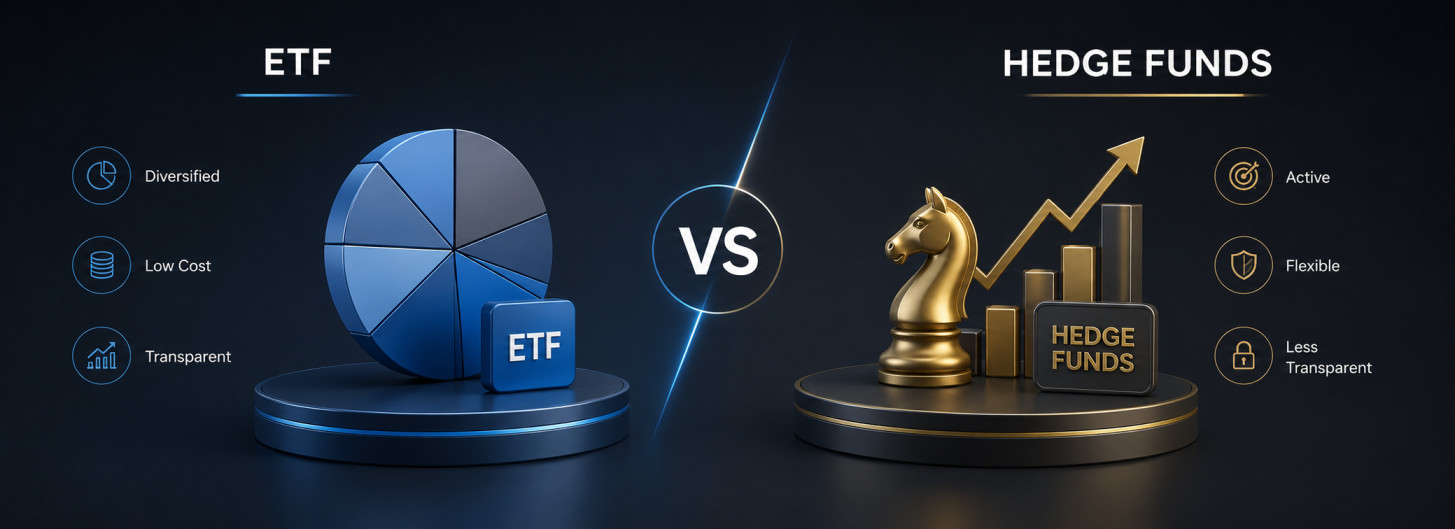
The Investment Landscape Has Changed — Are You Keeping Up?
Every serious forex trader eventually asks the same question: where do I put my capital when I'm not actively trading? The answer often leads to two heavyweight contenders — Exchange-Traded Funds (ETFs) and Hedge Funds. Both have carved out powerful niches in modern finance, yet they serve very different purposes, carry different risks, and are designed for very different types of investors.
Over the past three decades, ETFs have exploded from a niche product into a global phenomenon, now managing over $10 trillion in assets. Meanwhile, hedge funds — once the exclusive playground of ultra-wealthy insiders — have grown into a multi-trillion dollar industry employing some of the sharpest trading minds on the planet.
In this guide, we break down exactly what each vehicle offers, who it's built for, and — most importantly — how you as a forex trader can think about both in the context of your broader investment strategy.
What Exactly Is an ETF — and Why Does Everyone Love Them?
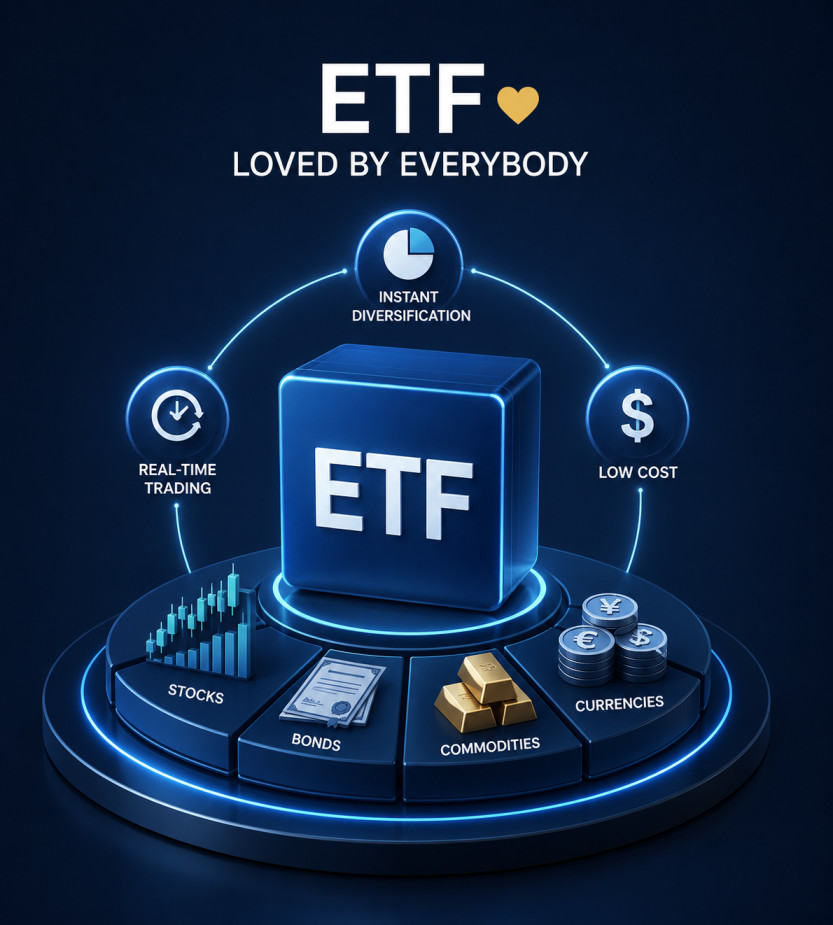
An Exchange-Traded Fund is essentially a basket of assets — stocks, bonds, commodities, or even currencies — bundled into a single, tradeable unit that sits on a stock exchange. Think of it as ordering a combo meal instead of selecting every item individually. ETFs passively track an index (like the S&P 500), which means no expensive fund manager is making day-to-day decisions. That simplicity is a feature, not a bug.
Unlike mutual funds, which are priced once a day after the market closes, ETFs trade in real time throughout the trading session — just like individual stocks. This makes them incredibly flexible for active traders who want to enter or exit positions quickly.
Why Forex Traders Gravitate Toward ETFs
- Instant Diversification: One ETF purchase spreads risk across dozens or hundreds of assets, dramatically reducing the damage any single bad position can do.
- Razor-Thin Costs: Many top ETFs charge as little as 0.03% annually — a tiny fraction of what active fund managers demand.
- Unmatched Liquidity: Buy or sell instantly during market hours. No lock-up periods, no redemption fees, no waiting.
- Transparency You Can Trust: ETF holdings are publicly disclosed daily, so you always know exactly what you own.
- Regulated Safety Net: ETFs fall under strict SEC oversight, giving retail investors meaningful legal protections.
Hedge Funds: High-Risk, High-Reward, and Not for Everyone
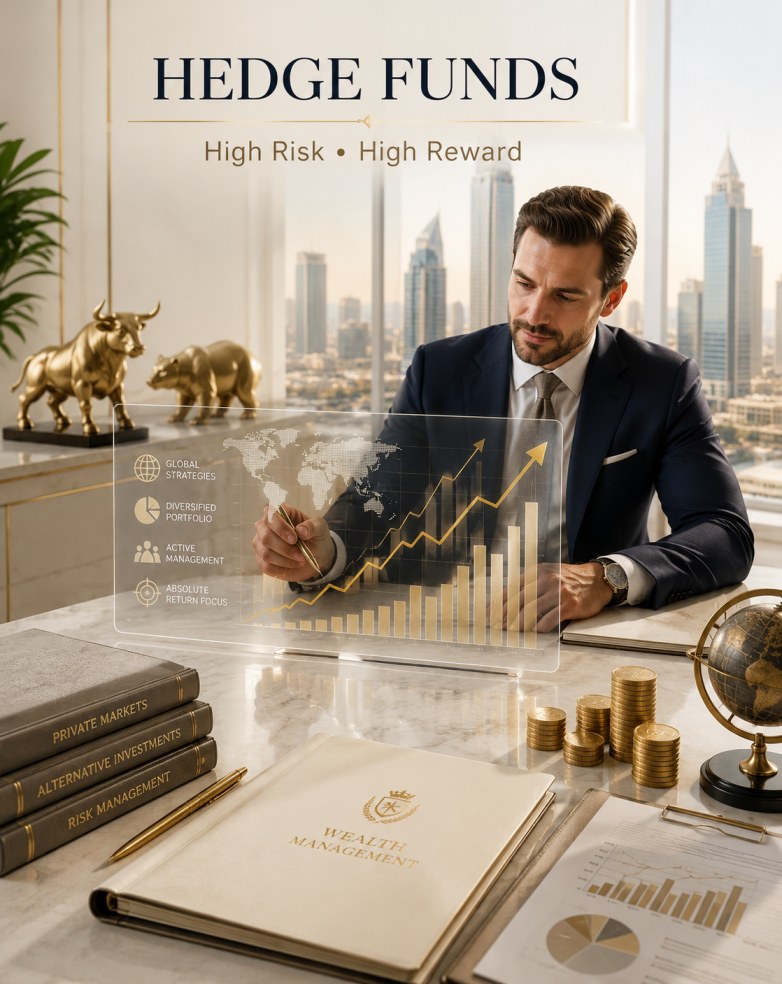
Hedge funds operate in a completely different league. These are privately managed investment pools that cater exclusively to accredited investors — high-net-worth individuals and institutional clients who can absorb significant risk. Because they're largely exempt from SEC regulations, hedge funds have far more freedom to pursue aggressive strategies.
That freedom comes in many flavors: short-selling stocks they believe will fall, using leverage to amplify returns, trading in complex derivatives, or applying global macro strategies that bet on interest rate movements, currency shifts, or geopolitical events. Sound familiar? If you're a forex trader, some of these approaches probably feel like home.
What Makes Hedge Funds Attractive to Big Money
- Absolute Return Goals: Hedge funds aim to make money in any market condition — bull, bear, or sideways. That's a fundamentally different goal than simply "beating the S&P 500."
- Elite Management: The best hedge funds employ some of the most talented traders and analysts in the world, people who have spent decades mastering specific market niches.
- Strategy Diversity: From global macro to quantitative arbitrage, hedge funds deploy a far wider toolkit than any ETF ever could.
- Potential Asymmetric Upside: When hedge fund managers get it right — really right — the returns can be extraordinary. That's why institutions keep writing the checks.
The Catch: Know Before You Commit
Hedge funds typically require a minimum investment of $1 million or more, charge a "2 and 20" fee structure (2% management fee plus 20% of profits), and often lock up your capital for 1–3 years with limited withdrawal windows. These are not casual investments.
"Whether you're a retail forex trader building passive income streams or an institutional player hunting alpha, the right investment vehicle isn't about prestige — it's about alignment with your goals, timeline, and risk tolerance."
ETFs vs. Hedge Funds: The Key Differences That Actually Matter
Here's the honest comparison most articles are afraid to give you — a practical look at where these two vehicles genuinely diverge.
- Open to all investors via any brokerage
- Expense ratios often below 0.10%
- Full intraday liquidity, no lock-up
- Strictly regulated by the SEC
- Passively managed, tracks an index
- Daily holdings transparency
- No minimum investment requirements
- Restricted to accredited investors only
- Typical "2 and 20" fee structure
- Capital locked up for 1–3 years
- Exempt from most SEC regulations
- Actively managed with complex strategies
- Holdings often kept confidential
- Minimums often $1M+ to participate
| Factor | ETF | Hedge Fund |
|---|---|---|
| Accessibility | Anyone with a brokerage account | Accredited investors only |
| Regulation | Full SEC oversight | Largely exempt |
| Cost | Very low (0.03%–0.5%) | High (2% + 20% performance) |
| Liquidity | Daily, real-time | Quarterly or annual |
| Return Goal | Match the market | Beat the market absolutely |
How Forex Traders Should Actually Think About This
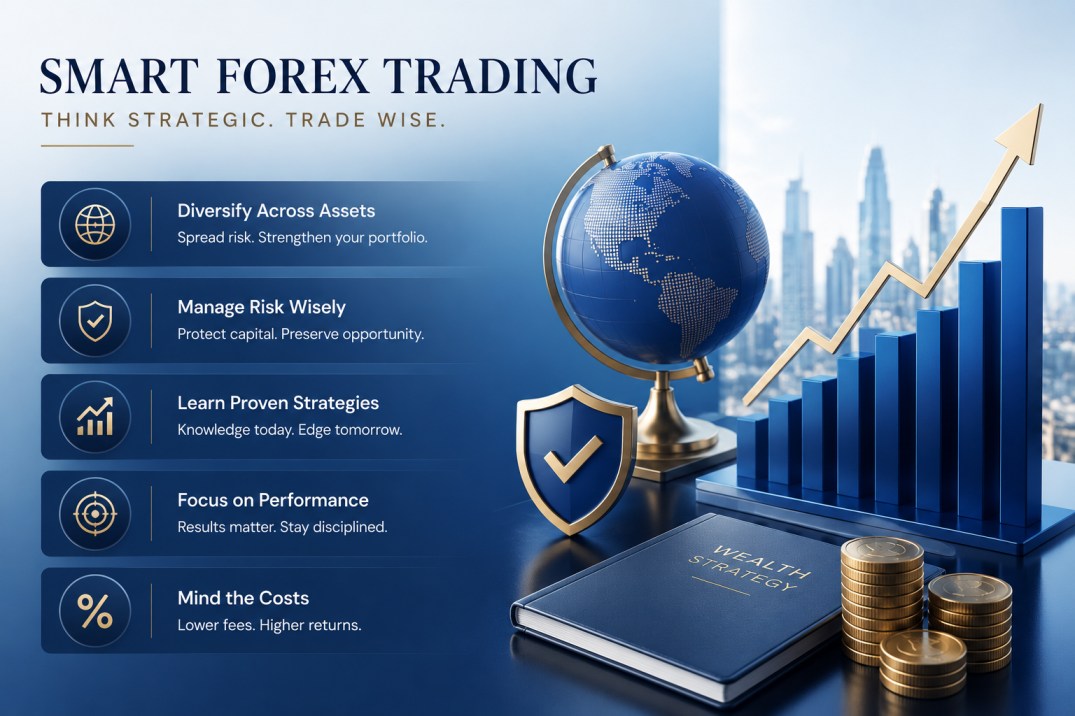
You might be wondering: "I trade forex — why does any of this matter to me?" It matters more than you think. Most professional forex traders don't allocate 100% of their capital to FX markets. Smart capital management means diversifying across asset classes, using instruments that suit your liquidity needs, and keeping a clear line between your active trading capital and your long-term wealth building pool.
Practical Steps for Getting Started
- Start with currency ETFs if you want indirect forex exposure with lower risk — instruments like the Invesco DB US Dollar Index Bullish Fund (UUP) let you take macro currency bets without direct leverage.
- Use ETFs as your stability anchor — allocate the portion of your capital that you don't need for active trading into diversified, low-cost ETFs like broad market or bond ETFs.
- Research hedge fund-like strategies even if you can't access hedge funds directly — understanding global macro, carry trades, and relative value strategies will sharpen your forex analysis.
- Never chase performance — hedge funds with spectacular recent returns often mean-revert aggressively. Apply the same healthy skepticism you'd bring to a "too good to be true" forex signal.
- Check the fee drag — a hedge fund charging 2% + 20% needs to significantly outperform to justify those costs versus a $10/trade ETF position. Run the math before committing.
The Hybrid Approach That Actually Works
Many savvy traders operate a tiered capital structure: liquid trading capital (forex, futures), a medium-term layer in diversified ETFs, and a smaller allocation to alternatives (which could include hedge fund strategies via fund-of-funds or liquid alt ETFs). This isn't just theory — it's how serious professional money managers operate their own wealth outside of market hours.
Frequently Asked Questions
Questions we get asked most often about ETFs, hedge funds, and how they relate to forex trading.
Absolutely. There are several currency-focused ETFs that track forex pairs, currency baskets, or currency volatility indexes. These give you exposure to currency markets with the liquidity and simplicity of a stock — without the leverage risk of direct forex trading. They're excellent tools for macro hedging or for traders who want indirect currency exposure in a retirement or long-term account.
Most hedge funds set minimum investment thresholds between $500,000 and $5 million, though some elite funds require $10 million or more. You also typically need to qualify as an "accredited investor," which in the US means a net worth of at least $1 million (excluding primary residence) or annual income above $200,000. This barrier exists partly to protect less sophisticated investors from the complex risks involved.
Yes — and significantly. Global macro hedge funds (think George Soros's famous trade breaking the Bank of England in 1992) are among the largest participants in FX markets. They trade currency pairs using the same technical and fundamental analysis retail traders use, but at a scale that can actually move markets. Understanding how institutional players like hedge funds position themselves in forex is a key edge for any retail trader tracking smart money flows.
ETFs themselves are structurally safe — they hold the underlying assets they're designed to track. However, the assets inside an ETF can absolutely lose value during a market crash. Broad equity ETFs can drop 30–50% in a severe bear market. That said, bond ETFs, inverse ETFs, and gold ETFs often serve as hedges during equity downturns. The key is not asking whether ETFs are safe, but whether the assets inside the ETF match your risk tolerance for that particular market environment.
Yes, through several alternative routes. "Liquid alternative" ETFs and mutual funds attempt to replicate hedge fund strategies — including long/short equity, managed futures, and global macro — in a regulated, accessible format. Copy-trading platforms and prop trading firms also offer similar exposure. And frankly, any forex trader deploying leverage, short trades, and risk management systems is already using hedge fund principles — just at a smaller scale.
The Bottom Line: Smart Investors Don't Choose One — They Understand Both
ETFs and hedge funds aren't competitors — they're different tools for different jobs. ETFs are the workhorse of modern portfolio construction: cheap, transparent, liquid, and accessible to anyone with a brokerage account. They're the foundation most traders should build on.
Hedge funds, on the other hand, are specialized instruments for capital-heavy institutional players who need absolute return strategies, non-correlated alpha, or access to strategies that simply can't be packaged into a passive index. The elite returns are real — but so are the fees, the lock-up periods, and the risk.
For forex traders at fxTsignals.com, the real takeaway is this: understanding how both vehicles work makes you a smarter market participant across the board. The macro forces that move forex markets are the same ones that hedge fund managers are trading, and the diversification principles behind ETFs are the same ones that should inform how you manage your trading capital. Knowledge here isn't just interesting — it's an edge.